

DiVino.com.au
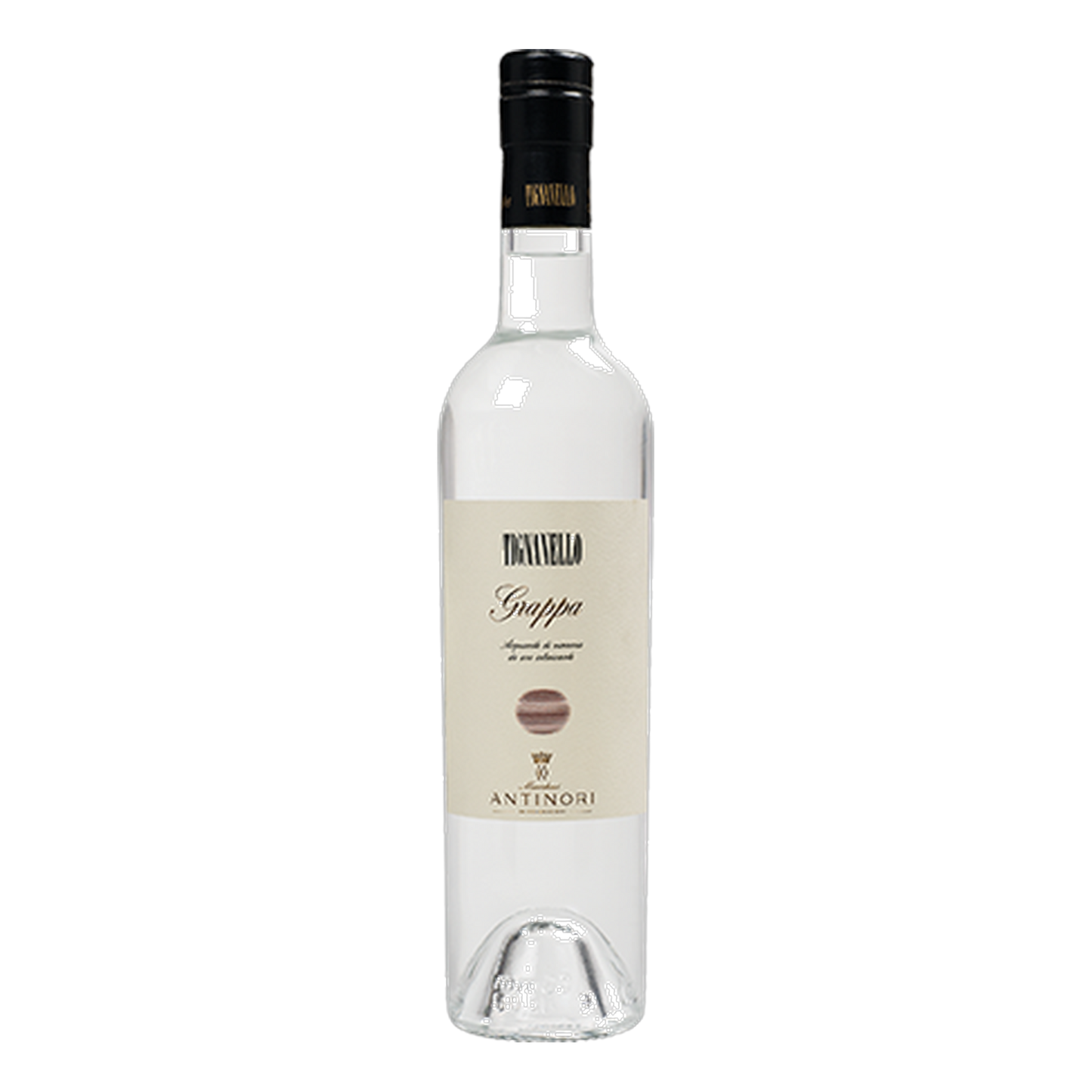
Antinori Tignanello Grappa 500mL NV
Antinori Tignanello Grappa 500mL NV
Couldn't load pickup availability
Description
Description
Antinori Tignanello Grappa is an Italian spirit distilled from the pomace of Tignanello, the Tuscan red that helped rewrite Italy's wine law.
Grappa is made from vinacce, the skins, pips and pulp left in the press after the wine has been drawn off. Here the marc comes from the Sangiovese and Cabernet Sauvignon grown for Tignanello on the Antinori estate at Santa Cristina in Chianti Classico. Tignanello was first made in 1971, aged in barriques and blended with Cabernet in defiance of the DOC rules of the day, and was sold as a mere table wine as a result. The pomace is distilled while still fresh, soon after pressing, and grappa itself is a protected designation, meaning it may only be produced in Italy from Italian grape marc.
Serve as a digestivo after dinner, either at room temperature or lightly chilled, in a small tulip glass.
Wine Details
Wine Details
Type: Grappa
Style: Dry, Aromatic, Unaged
Grape Varietal: Sangiovese and Cabernet Sauvignon pomace
Tastes Like: Comparable to a young Marc de Bourgogne, but drier and more directly grape-driven
Alcohol Percentage: 40%
Closure: Cork
Size: 500mL
Appellation: Grappa, a designation protected to Italian production
Region: Chianti Classico, Tuscany, Italy
Terroir: Pomace from the Sangiovese and Cabernet Sauvignon grown for Tignanello at Santa Cristina
Aging: Distilled from fresh pomace soon after pressing, bottled without cask ageing
Serving Temperature: 10–18℃ – Serve as a digestivo in a small tulip glass
Winery
Winery
Antinori is one of the oldest names in Italian wine, and this grappa is distilled from the pomace of Tignanello, the Tuscan red that helped rewrite Italy’s wine law. Tignanello was first made in 1971, aged in barriques and blended with Cabernet in defiance of the DOC rules of the day, and was sold as a mere table wine as a result.
Grappa is made from vinacce, the skins, pips and pulp left in the press after the wine has been drawn off. Here the marc comes from the Sangiovese and Cabernet Sauvignon grown for Tignanello on the Antinori estate at Santa Cristina in Chianti Classico, and is distilled while still fresh, soon after pressing. Grappa is itself a protected designation, meaning it may only be produced in Italy from Italian grape marc.
Food Pairings
Food Pairings
Digestivo: Perfect on its own after dinner in a small tulip glass
Biscuits: Excellent with cantucci, amaretti or almond biscotti
Coffee: Traditionally taken alongside espresso, or added to it as a caffè corretto
Chocolate: Pairs beautifully with dark chocolate and candied citrus
Cheese Pairings
Cheese Pairings
Pecorino Toscano Stagionato: Aged and sharp, cut through by the spirit’s warmth
Gorgonzola Piccante: Pungent and salty, balanced by the clean grape character
Parmigiano Reggiano: Granular and umami-rich, a classic close to an Italian meal
Taleggio: Soft and washed-rind, complemented by the spirit’s aromatic lift
Recipe
Recipe
Cantucci di Prato (Tuscan Almond Biscuits)
Ingredients (Makes around 40):
- 300g plain flour
- 200g caster sugar
- 200g whole almonds, unblanched
- 2 eggs, plus 1 egg yolk
- 1 tsp baking powder
- Zest of 1 orange
- Pinch of salt
- 1 egg, beaten, for glazing
Instructions:
- Toast the almonds in a dry pan until fragrant, then set aside to cool.
- Combine the flour, sugar, baking powder, orange zest and salt in a bowl.
- Work in the eggs and yolk to form a stiff, slightly sticky dough.
- Fold through the whole toasted almonds, distributing them evenly.
- Divide the dough into two logs about 5cm wide and place on a lined tray. Brush with beaten egg.
- Bake at 180℃ for 25 minutes until pale gold and firm.
- Cool for 10 minutes, then cut the logs diagonally into 1.5cm slices.
- Lay the slices cut side down and return to the oven for 12–15 minutes until dry and crisp.
The traditional close to a Tuscan meal, cantucci are usually dipped in Vin Santo but sit just as well with Tignanello Grappa. The spirit’s clean grape character and warmth cut through the density of the almonds, while the orange zest lifts its aromatic finish.
Try a one-off European pack
-
French Champagne Pack
Regular price $695.00 AUDRegular priceUnit price per -
Italian and French Sparkling Pack
Regular price $239.00 AUDRegular priceUnit price per -
Best of France Wine Pack
Regular price $228.00 AUDRegular priceUnit price per -
French & Italian - Full-Bodied Red Wine Pack
Regular price $229.00 AUDRegular priceUnit price per


