

DiVino.com.au
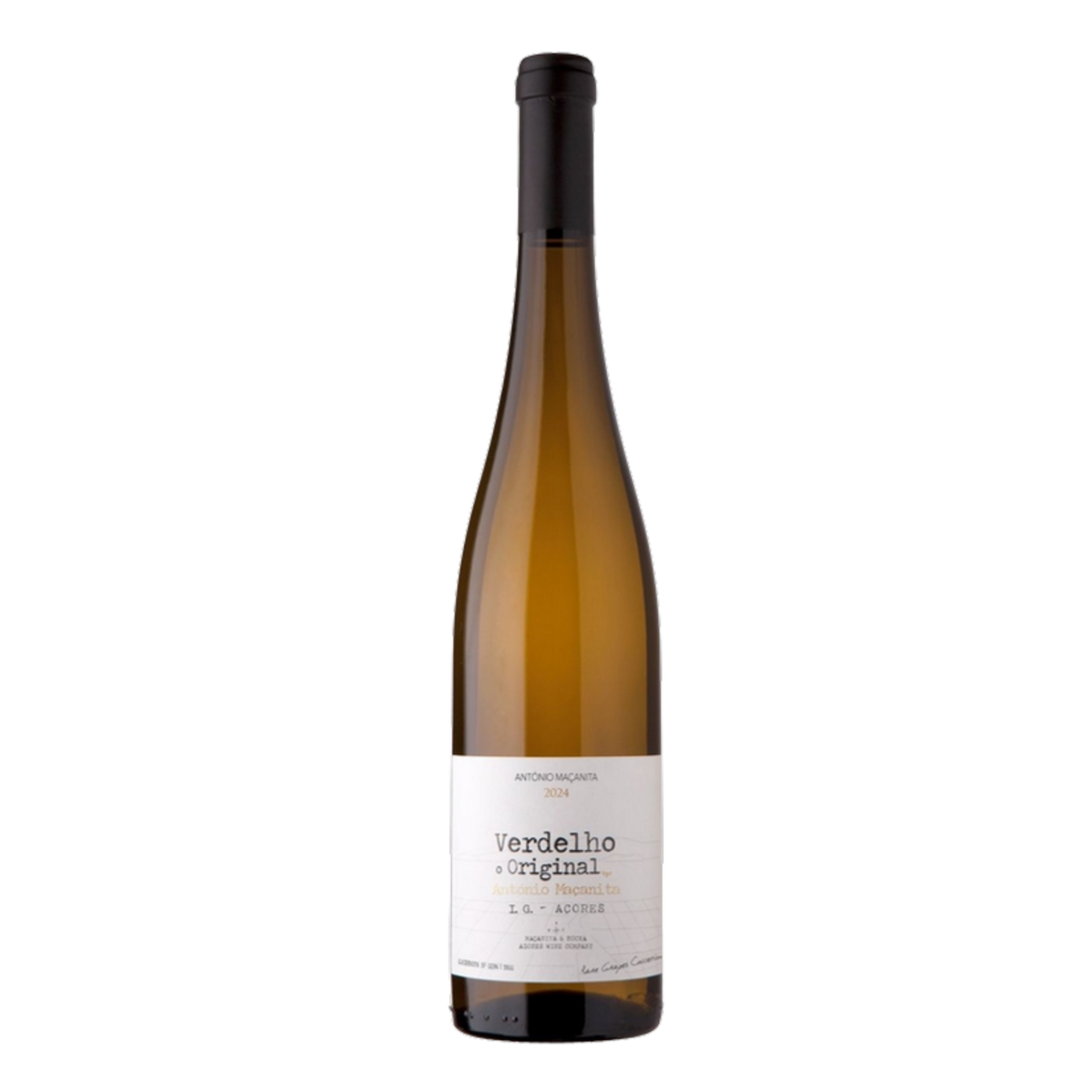
Azores Wine Company Verdelho 'O Original' 2024
Azores Wine Company Verdelho 'O Original' 2024
Couldn't load pickup availability
Description
Description
Azores Wine Company Verdelho 'O Original' is a vibrant white made from one of the Atlantic islands' most historically significant grape varieties.
Verdelho has a long association with Atlantic island viticulture, once prized in Madeira before phylloxera devastated European vineyards in the 19th century. On the volcanic island of Pico in the Azores, Azores Wine Company, founded by winemaker António Maçanita and agronomist Filipe Rocha, grows Verdelho in vines rooted in basalt soil and sheltered by traditional stone-walled currais, producing wines shaped by the islands' maritime climate and volcanic terroir.
This is an energetic, food-friendly white, well suited to grilled fish, shellfish and Mediterranean-style dishes.
*Every effort is made to ensure the current vintage is accurate; however, variations can occur. If you are after a specific vintage, please contact us prior to ordering.
Wine Details
Wine Details
Type: White Wine
Style: Medium-bodied, Energetic, Saline
Grape Varietal: Verdelho
Tastes Like: Comparable to a dry Riesling in energy and acidity, but saltier and distinctly volcanic
Alcohol Percentage: 12.5%
Closure: Cork
Size: 750mL
Appellation: Açores, Portugal
Region: Pico, Azores, Portugal
Terroir: Vines rooted in basalt soil, sheltered by traditional stone-walled currais
Aging: Vinified to preserve the freshness and volcanic character of the site
Serving Temperature: 9–11℃ – Serve well chilled
Winery
Winery
Azores Wine Company was founded by winemaker António Maçanita and agronomist Filipe Rocha on the volcanic island of Pico, growing vines rooted in basalt soil and sheltered by traditional stone-walled currais. The wines are shaped by the islands’ maritime climate and volcanic terroir.
Verdelho has a long association with Atlantic island viticulture, once prized in Madeira before phylloxera devastated European vineyards in the nineteenth century. O Original takes the variety back to a straightforward dry table wine expression, letting the salt air and lava soils of Pico speak rather than the fortification and heat that made Verdelho famous elsewhere in the Atlantic.
Food Pairings
Food Pairings
Fish: Perfect with grilled fish, tuna steaks or salt cod
Shellfish: Excellent with octopus, squid, prawns or clams
Mediterranean: Pairs beautifully with tomato-based dishes, peppers and olive oil
Poultry: Ideal with grilled chicken or lightly spiced dishes
Cheese Pairings
Cheese Pairings
Queijo São Jorge: The Azorean island cheese, firm and piquant beside the wine’s salinity
Queijo do Pico: Soft and salty, from the same island as the vineyards
Manchego Semi-Curado: Firm and nutty, balancing the wine’s texture
Fresh Goat Cheese: Bright and lactic, complementing the wine’s acidity
Recipe
Recipe
Polvo Guisado (Azorean Braised Octopus with Wine and Peppers)
Ingredients (Serves 4):
- 1.2kg octopus, cleaned
- 2 onions, sliced
- 4 garlic cloves, sliced
- 1 red capsicum, sliced
- 400g tinned tomatoes, crushed
- 250ml dry white wine
- 4 tbsp olive oil
- 1 tsp sweet paprika
- 2 bay leaves
- Small bunch coriander, chopped
- Salt and cracked black pepper
- Boiled potatoes, to serve
Instructions:
- Put the octopus in a heavy pot with one sliced onion and the bay leaves, cover and cook over low heat for 45 minutes. It releases plenty of its own liquid, so no water is needed.
- Lift out the octopus, reserving the cooking liquor, and cut it into thick pieces.
- Heat the olive oil in the same pot and soften the remaining onion, the garlic and the capsicum.
- Stir in the paprika and cook for a few seconds without letting it catch.
- Add the tomatoes and white wine, and simmer for 10 minutes until slightly reduced.
- Return the octopus with a ladle of its reserved liquor, cover and cook gently for a further 30 minutes until completely tender.
- Season, remembering the octopus liquor is already salty.
- Scatter with coriander and serve with boiled potatoes.
Octopus is a staple across the Azorean islands, and this slow braise is the standard treatment. The Verdelho works because it has enough body to stand up to the paprika and tomato, while its saline, volcanic edge stays in conversation with the sea.
Try a one-off European pack
-
French Champagne Pack
Regular price $695.00 AUDRegular priceUnit price per -
Italian and French Sparkling Pack
Regular price $239.00 AUDRegular priceUnit price per -
Best of France Wine Pack
Regular price $228.00 AUDRegular priceUnit price per -
French & Italian - Full-Bodied Red Wine Pack
Regular price $229.00 AUDRegular priceUnit price per


