Domaine William Fèvre
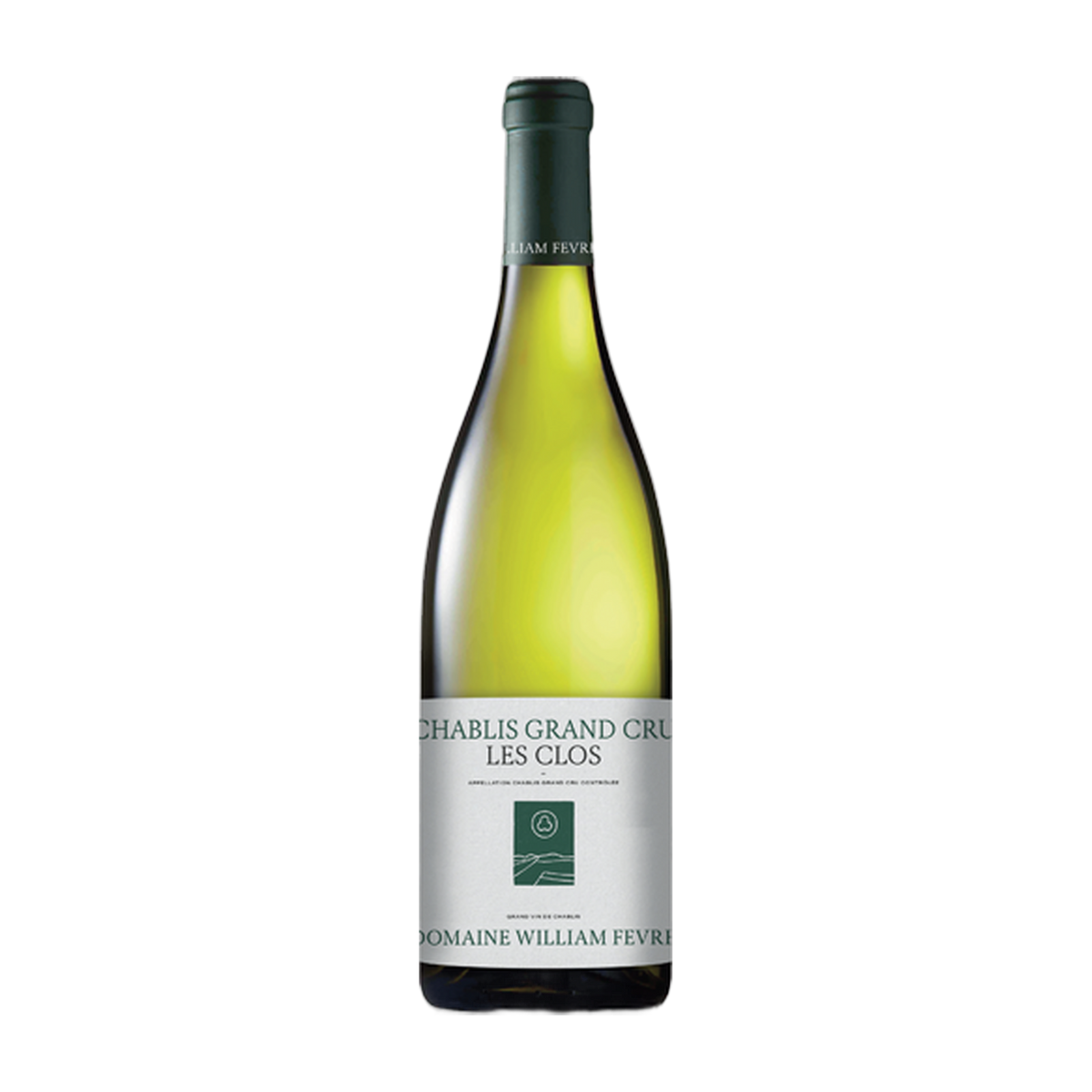
Domaine William Fèvre Chablis Grand Cru Les Clos 1.5L MAGNUM 2023
Domaine William Fèvre Chablis Grand Cru Les Clos 1.5L MAGNUM 2023
This incredible drop is from our South Australia warehouse - please allow 7-10 days for dispatch. It's well worth the wait!
If your order includes wine from a different warehouse, everything is shipped together once this item is ready.
Couldn't load pickup availability
Description
Description
Domaine William Fèvre Chablis Grand Cru Les Clos is a powerful, long-lived white from the largest and most famous of the Chablis grand crus, bottled here in magnum.
Les Clos lies at the heart of the grand cru hillside on the Right Bank of the Serein, on deep Kimmeridgian limestone and marl rich in fossilised oyster shells. The domaine holds a good-sized parcel here, part of the largest grand cru estate in Chablis. Grapes are picked by hand and the wine is raised partly in barrel with little new oak, so it gains texture and length while keeping its mineral core. The supplier describes a remarkably complex bouquet of fruit, flowers and spice with a strong mineral thread, and a structured palate that opens with age into something powerful and generous. The magnum format slows that development and suits long cellaring.
Patience pays with this one: it needs several years to show its best, and a magnum from a site like this can go well past a decade. Decant young bottles, serve at around 12 degrees, and pair with lobster, turbot, roast chicken with morels or a mature Comté.
*Every effort is made to ensure the current vintage is accurate; however, variations can occur. If you are after a specific vintage, please contact us prior to ordering.
Wine Details
Wine Details
Type: White Wine
Style: Full-bodied, dry
Grape Varietal: Chardonnay
Tastes Like: A Chablis Grand Cru from its largest and best-known vineyard: Chardonnay with depth, weight and long-ageing structure, kept taut and fresh with only older oak
Alcohol Percentage: 13%
Closure: Cork
Size: 1.5L
Appellation: Chablis Grand Cru AOC (Appellation d'Origine Contrôlée: France's protected designation of origin; Grand Cru is the top tier of Chablis' vineyard classification: seven named vineyards on a single slope above the town)
Region: Chablis, Burgundy, France
Terroir: Les Clos, the largest and most famous of the seven Grands Crus (26.04 hectares), facing due south. The domaine owns 4.11 hectares in eight plots high on the slope, in full sun all day; the oldest were planted by William Fèvre's father in the late 1940s. Dense, deep white clays mixed with fossils and stones, over limestone less than a metre down
Aging: Gentle pneumatic pressing and natural fermentation in stainless steel; about 20 months in total, with around 40% of the wine spending 5 to 6 months on fine lees in French oak barrels (no new oak), then finished in small stainless steel tanks
Serving Temperature: 12-13°C
Winery
Winery
Domaine William Fèvre is one of the great names of Chablis. The Fèvre family has been part of Chablis life for more than 250 years, and William Fèvre declared the domaine's first vintage in the late 1950s, then bought parcels in many of the appellation's best Premiers and Grands Crus. In 1998 he sold the domaine to the Henriot family of Champagne, and Didier Séguier, who arrived that year, has run the vineyards and cellar ever since. After a period within the Artémis Domaines group, the domaine became part of Domaines Barons de Rothschild (Lafite) in January 2024, the group's first estate in Burgundy. Today it works about 90 parcels, including 15.9 hectares of Premier Cru and 15.2 hectares of Grand Cru, one of the largest grand cru holdings in Chablis. The vineyards have been farmed organically since 2000, with certification from the 2023 vintage. In the cellar the grapes are moved by gravity and pressed gently, fermentations start naturally, and the wines are raised in stainless steel, with a share in French oak barrels but no new oak.
Fèvre's Les Clos grows on dense, deep white clay full of fossils and stones, with limestone close beneath, and spends about 20 months in the cellar before bottling. 2023 began with a mild, dry winter; April frosts did no major harm, May was hot and dry, June storms brought high disease pressure, and a dry August slowed ripening before picking began in early September in high temperatures. In magnum the 2023 is a wine for the long term, or for a celebration with a classic French first course.
Food Pairings
Food Pairings
Starters: Eggs set in tarragon jelly with ham
Charcuterie: Jambon de Paris and pâté with cornichons
Fish: Poached salmon with herb mayonnaise
Vegetarian: Leek vinaigrette with chopped egg
Cheese Pairings
Cheese Pairings
Chaource: Soft, creamy cheese from just north of Chablis
Brillat-Savarin: Triple-cream Burgundian cheese, rich and buttery
Comté (24 months): Deep and crystalline, a fine match for an older Chablis
Crottin de Chavignol (aged): Firm, tangy goat's cheese from the Loire
Recipe
Recipe
Œufs en Gelée (Eggs in Tarragon Jelly with Ham)
Ingredients (Serves 6 as a starter):
- 6 eggs, at room temperature
- 750mL good chicken stock, well skimmed
- 3 tsp powdered gelatine
- 60mL dry white wine
- 6 thin slices good ham
- 1 small bunch tarragon
- Salt and white pepper
Instructions:
- Lower the eggs into simmering water and cook for exactly 6 minutes, then plunge into iced water. Peel carefully; the yolks should stay soft.
- Heat the stock and wine, sprinkle over the gelatine and stir until dissolved. Season and cool until just beginning to thicken.
- Pour a 5mm layer of jelly into six 200mL ramekins and chill until set. Lay two tarragon leaves on each.
- Cut each ham slice to fit, then place an egg on the ham in each ramekin. Fill with the remaining jelly and chill for at least 4 hours, until set.
- Dip the ramekins briefly in hot water and turn out onto plates. Serve with toast and a little salad.
Eggs in jelly, with tarragon and ham, are a long-standing classic of French charcuteries and bistros, made in neat little moulds and served cold as a starter. The soft egg, savoury jelly and ham are a classic partner for Chablis, and the depth of Les Clos suits this richer, more elaborate version.