Massolino
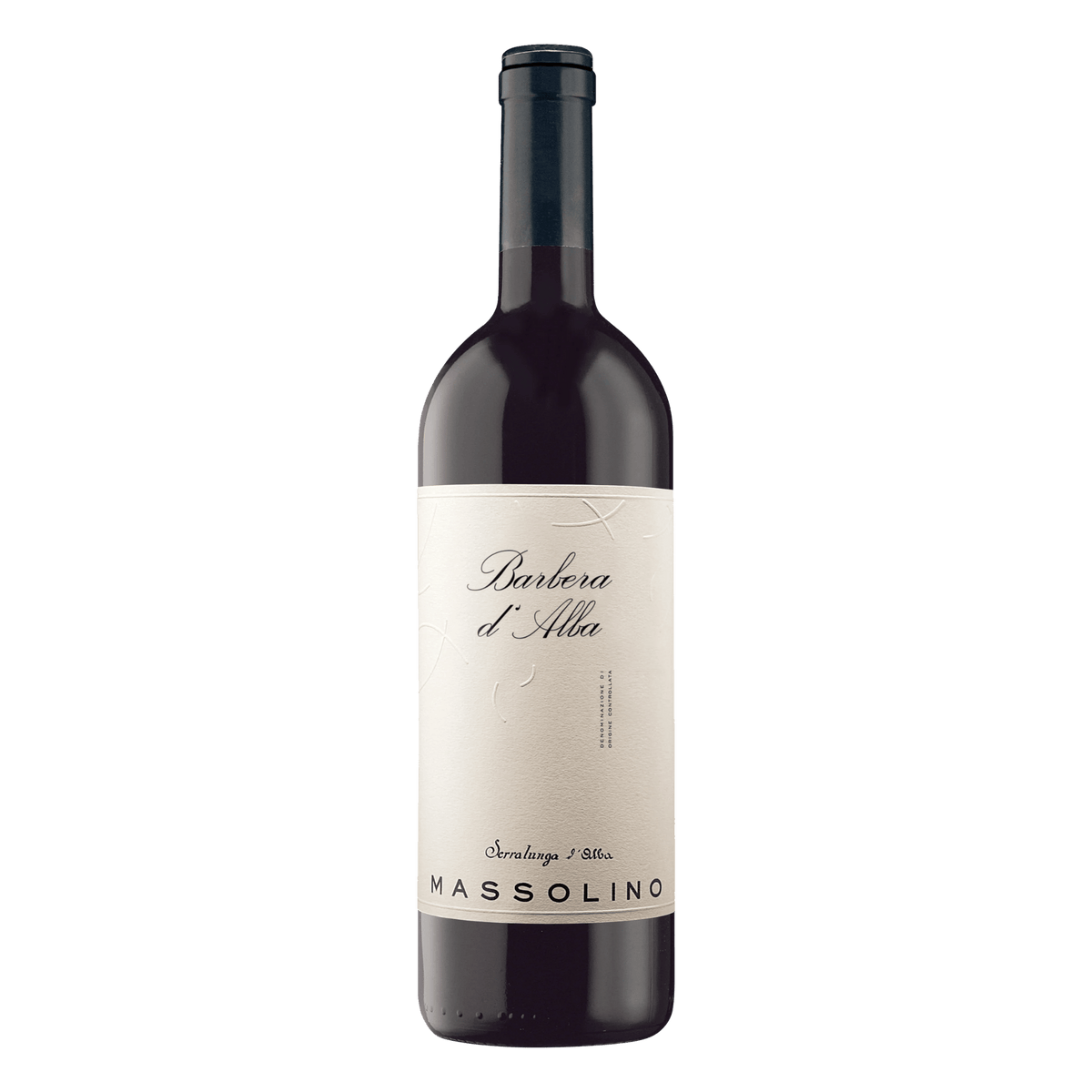
Massolino Barbera d'Alba 2025
Massolino Barbera d'Alba 2025
Couldn't load pickup availability
Description
Description
Massolino Barbera d'Alba is a red wine from Piedmont, Italy, made from Barbera.
Massolino works out of Serralunga d'Alba in the Barolo zone and grows Barbera as well as Nebbiolo. Barbera keeps high acidity and relatively light tannin, which is what makes it the everyday red of Piedmont; the Barbera d'Alba appellation covers the hills around Alba. We hold no winemaking notes for this release.
Barbera is typically deep in colour with dark cherry fruit, bright acidity and little grip, so it handles rich food well. Serve at 16 degrees with braises, salumi, or pasta in a meat sauce.
*Every effort is made to ensure the current vintage is accurate; however, variations can occur. If you are after a specific vintage, please contact us prior to ordering.
Wine Details
Wine Details
Type: Red Wine
Style: Medium-bodied, Fresh, Juicy
Grape Varietal: Barbera
Tastes Like: Comparable to a Sangiovese, with brighter acidity and softer tannin
Alcohol Percentage: 14.5%
Closure: Diam (technical cork)
Size: 750mL
Appellation: Barbera d'Alba DOC (Denominazione di Origine Controllata, Italy's controlled designation of origin)
Region: Serralunga d'Alba, Piedmont, Italy
Terroir: Four hectares on the limestone soils of Serralunga d'Alba, farmed for low yields
Aging: Ten to twelve days on skins, then about five months in cement and stainless steel, with no oak
Serving Temperature: 16℃
Winery
Winery
Massolino is a family estate in Serralunga d'Alba, at the heart of the Barolo zone, founded by Giovanni Massolino in 1896 and run today by the fourth generation, brothers Franco and Roberto. The family farms some of Serralunga's most famous vineyards, including Margheria, Parafada, Parussi and Vigna Rionda, and ages its Nebbiolo in large oak casks rather than small barrels, so the wines show the place they come from rather than the oak.
Barbera is the everyday red of Piedmont, prized for its natural freshness and gentle tannin, which make it one of the most food-friendly wines in Italy. Massolino grows it on four hectares of Serralunga limestone and keeps it in cement and steel rather than oak, so the wine shows its home soil. It is ready to enjoy on release and over the next few years.
Food Pairings
Food Pairings
Braises: Rabbit with capsicums, beef stew or chicken cacciatore
Pasta: Pasta with ragù or baked lasagne
Antipasti: Salumi and marinated vegetables
Pizza: Tomato-based pizzas with sausage or salami
Cheese Pairings
Cheese Pairings
Raschera: A semi-hard Cuneo cheese, balanced by the wine's fresh acidity
Toma Piemontese: Mild and semi-firm, a perfect everyday match
Bra Duro: Firm and savoury, made near Alba
Taleggio: Soft and rich, cut by Barbera's acidity
Recipe
Recipe
Coniglio con Peperoni (Piedmontese Rabbit with Capsicums)
Ingredients (Serves 4):
- 1 rabbit (about 1.5kg), cut into pieces (or 1.5kg chicken thighs on the bone)
- 2 tbsp plain flour
- 4 tbsp olive oil
- 1 onion, sliced
- 2 garlic cloves, sliced
- 1 sprig rosemary and 2 bay leaves
- 250mL Barbera or other dry red wine
- 2 red and 1 yellow capsicum, cut into strips
- 2 anchovy fillets
- 1 tbsp red wine vinegar
- 250mL chicken stock
- Salt and freshly ground black pepper
Instructions:
- Season the rabbit, dust with flour and brown well in half the oil in a heavy casserole. Set aside.
- Add the onion, garlic, rosemary and bay leaves and cook gently for 5 minutes.
- Return the rabbit, pour in the wine and simmer until reduced by half.
- Add the stock, cover and simmer gently for 45 minutes.
- Meanwhile cook the capsicums in the remaining oil in a frying pan for 10 minutes, then stir in the anchovies and vinegar.
- Add the capsicums to the rabbit and cook uncovered for a further 15 to 20 minutes until the meat is tender and the sauce thick.
- Season and serve with soft polenta or crusty bread.
Rabbit braised with the sweet capsicums of Piedmont is a classic Sunday dish in the farmhouses of the Langhe and Roero. Barbera is the wine the region pours with it: its fresh acidity cuts the richness of the braise and balances the tang of the vinegar and anchovy, while its soft tannin lets the delicate meat shine.